Where the City Meets the Sidewalk

Edges That Invite
Transparent Fronts That Communicate Life
People are magnetized by visible activity. Generous glazing at eye level, low mullions, and clear sightlines let passersby read the room in a glance. Pair transparency with thoughtfully lit displays and movable screens that balance privacy with curiosity, inviting a comfortable, unforced pause.
Door Frequency and Rhythm
Frequent doors shorten perceived blocks, reduce hesitation, and invite exploration. Aim for entrances every shopfront bay, with tactile handles, soft closers, and clear signage. When long frontages are unavoidable, carve in secondary entries and alcoves that offer small moments to pause, lean, and look.
Weather, Shade, and Comfort
Awnings, recessed entries, arcades, and planted trellises buffer rain, wind, and harsh sun, creating microclimates that extend dwell time. Combine shade with seating edges and slip-resistant thresholds, and neighbors will linger, chat, and return through seasons instead of rushing past.
A Daily Rhythm of Activity
{{SECTION_SUBTITLE}}

Fine-Grained Tenancy and Flexible Bays

Morning-to-Night Programming
Doorways, Thresholds, and Comfort
Universal Access Without Compromise
Align interior slab heights with sidewalk grades where possible, avoiding awkward ramps or back-door entries. Automatic openers, contrasting thresholds, and generous turning radii welcome strollers, wheelchairs, delivery carts, and elders equally, signaling dignity while reducing friction during the busiest hours.
Seating Nooks and Leaning Ledges
Not everyone wants a chair. Ledges at hip height, warm materials, and shallow bays offer places to linger without commitment. These small supports multiply dwell time, create passive surveillance, and encourage spontaneous chats that stitch social fabric across generations.

Outdoor Seating That Respects Flow
Greening for Microclimate and Joy
Pedestrian-First Lighting Layers
Signage With Personality
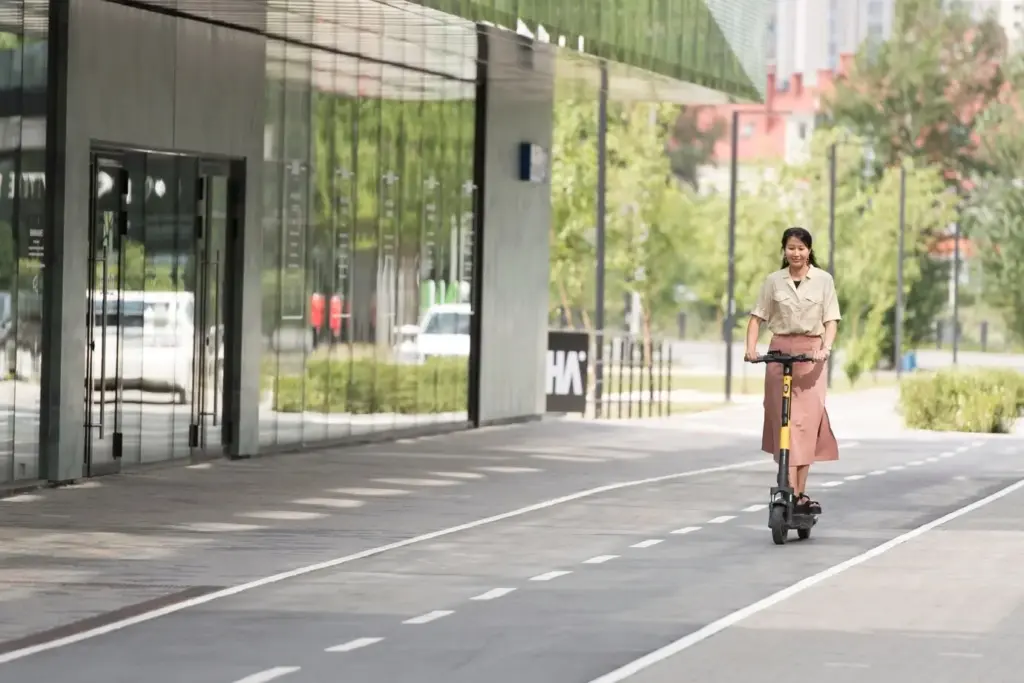
Eyes On The Street, Not On Screens

Stewardship, Measurement, and Evolving Uses
{{SECTION_SUBTITLE}}
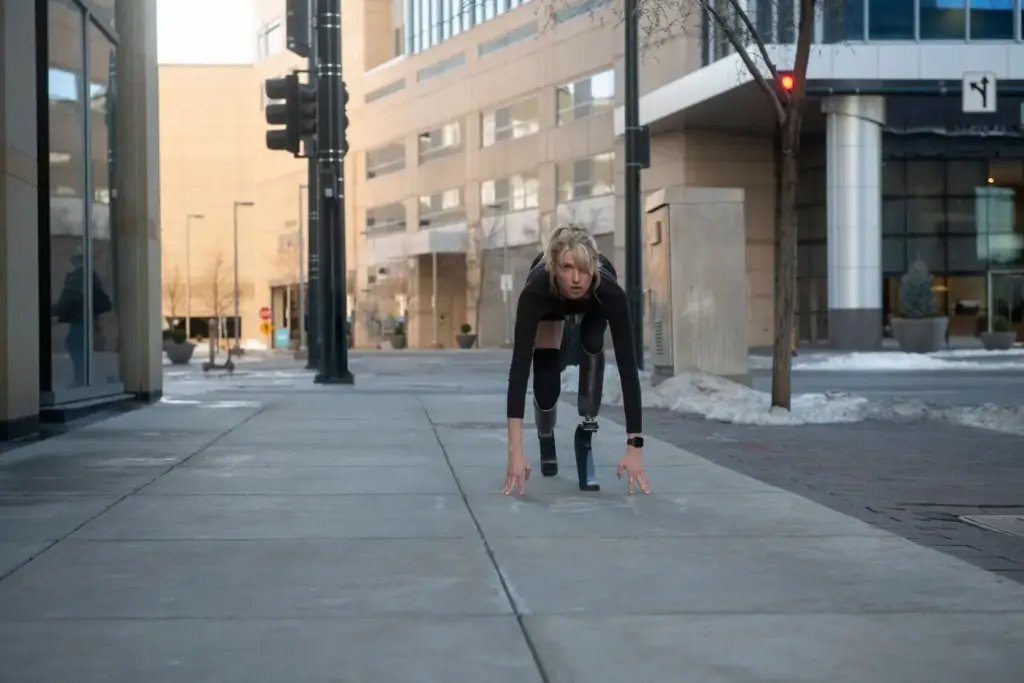
Clean, Repair, Repeat

Pop-Ups, Pilots, and Community Co-Creation

All Rights Reserved.