




Walkable Moments That Shape Our Cities

Today we explore City Life at Eye Level—where sidewalks, storefronts, benches, crossings, and everyday encounters create the true heartbeat of urban places. We’ll uncover how small design choices steer behavior, comfort, and connection, while sharing field-tested ideas you can bring to your block. Share your observations, send photos of your favorite corners, and subscribe to continue this friendly journey through streets that welcome people first.

What the Gaze Notices First

Within seconds, our eyes scan for faces, bright contrasts, readable signs, and small movements near the building edge. A fresher chalkboard, visible handles, and low sills draw attention more than distant billboards. People look slightly downward while walking, so details clustered between knee and shoulder height feel welcoming. Try timing your glance at a window display and compare with a friend’s. Tell us what drew you closer and why.

Soundscapes and Micro‑signals

Street life is navigated as much by ear as by eye: clinking cups, bicycle bells, laughter, soft music, and the rhythm of crosswalk beeps. These micro‑signals calm or rush our pace, announce safety, and spark curiosity. A busker can soften a brisk plaza; squealing brakes can scatter it. When you wait at a corner, close your eyes for ten seconds and list sounds. Which ones invite lingering, and which push you along?

Edges, Thresholds, and Tactile Clues

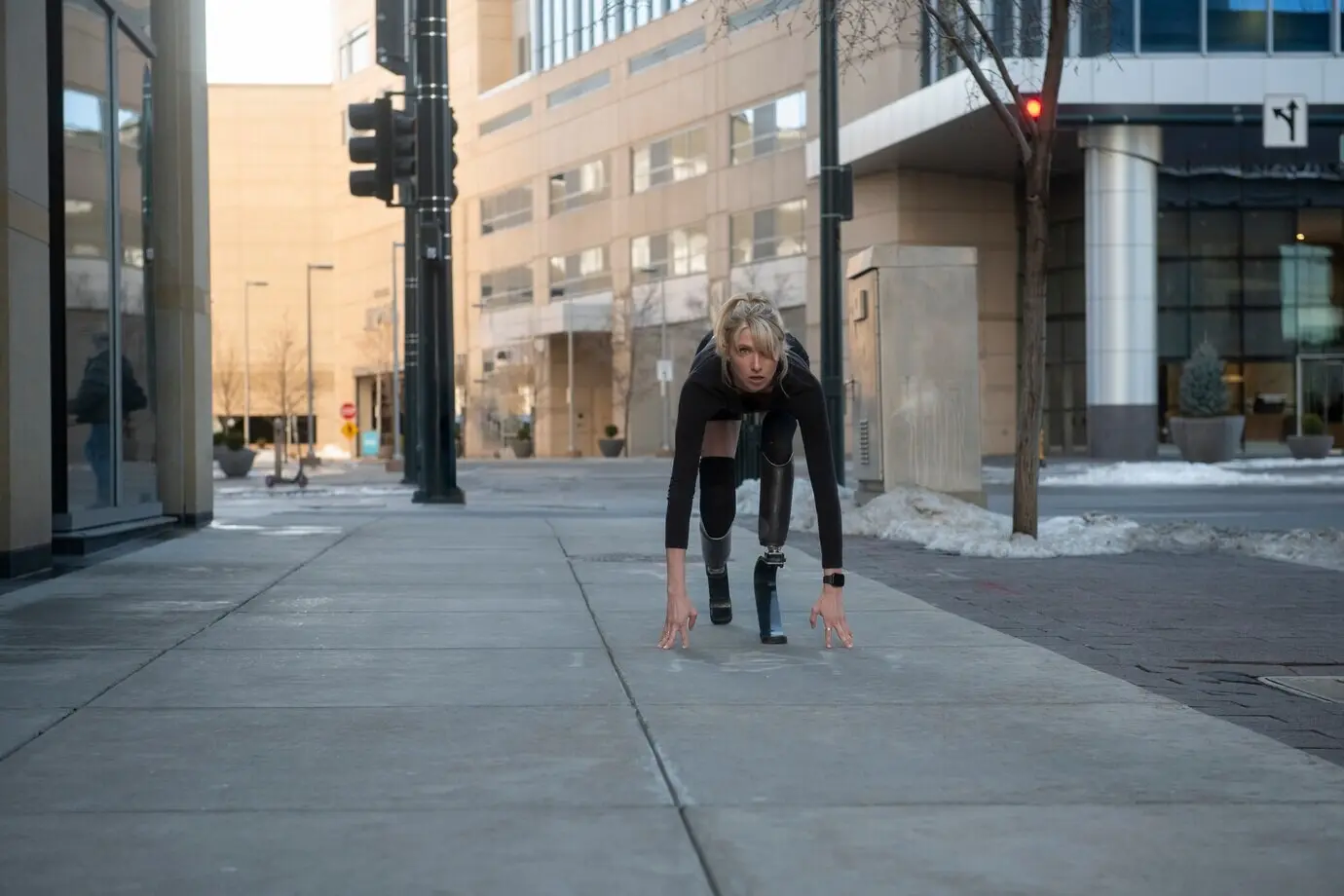
At eye level, edges matter: textured thresholds, tactile paving, gentle ramps, clear doorframes, and transparent glazing show where to go and who is welcome. Comfortable handrails and level transitions help parents with strollers and neighbors using mobility devices. Notice how a single loose paver or thick threshold discourages entry. Catalog three small fixes near you, then ask a shopkeeper or custodian how quickly they could be addressed together.

Designing for Human Scale, Not Monumental Scale

Active Frontages and Short Distances

Small, frequent entrances every five to eight meters invite exploration and reduce the fear of long, blank stretches. Transparent windows, low signage, and varied displays keep curiosity alive. A mailbox, drinking fountain, or ledge becomes a micro‑destination that stitches movement into moments of rest. Map one block in doors-per-minute of walking. Where does your attention flag? Share your sketch and we’ll discuss how to break monotony through simple tweaks.

Comfortable Proportions and Enclosure

Small, frequent entrances every five to eight meters invite exploration and reduce the fear of long, blank stretches. Transparent windows, low signage, and varied displays keep curiosity alive. A mailbox, drinking fountain, or ledge becomes a micro‑destination that stitches movement into moments of rest. Map one block in doors-per-minute of walking. Where does your attention flag? Share your sketch and we’ll discuss how to break monotony through simple tweaks.

Inviting Places to Linger

Small, frequent entrances every five to eight meters invite exploration and reduce the fear of long, blank stretches. Transparent windows, low signage, and varied displays keep curiosity alive. A mailbox, drinking fountain, or ledge becomes a micro‑destination that stitches movement into moments of rest. Map one block in doors-per-minute of walking. Where does your attention flag? Share your sketch and we’ll discuss how to break monotony through simple tweaks.

Crossings That Respect Walking

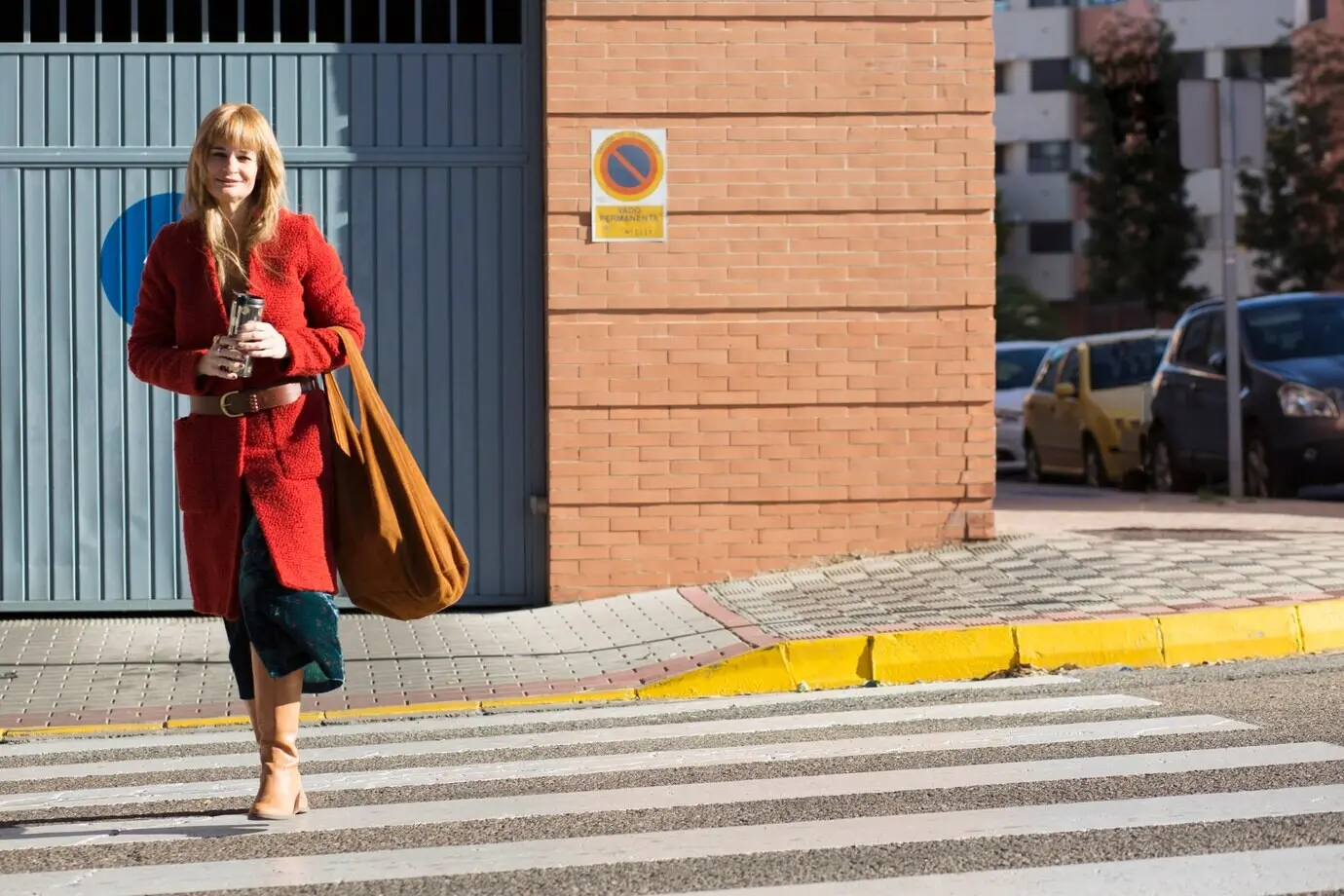
Raised tables, daylighted corners, zebra markings, leading pedestrian intervals, and tightened turning radii shorten exposure and boost visibility. Drivers see faces sooner; walkers feel prioritized. Add refuge islands and lower speed limits to convert dread into routine comfort. Observe a crossing for five minutes and count yielding behaviors. Which details improve courtesy? Post your tally, and let’s compare how simple geometric changes shift social dynamics at the very place decisions are made.

Cycling Flows That Fit the Street

Protected lanes at door-zone distance, clear intersection geometry, and slower design speeds invite riders of varied ages to feel welcome. Eye contact at crossings and subtle texture changes signal priority without hostility. Delivery bikes and cargo cycles need generous turning space near corners and racks placed at natural stops. Ride one block with a friend walking beside you and note stress points. Share your notes, and we’ll explore light‑touch improvements together.

Transit Stops as Social Rooms

Shelter, seating with backs, lighting, clear route maps, and real‑time information transform a wait into a social interval. Nearby kiosks, book swaps, and noticeboards cultivate micro‑communities. Good sightlines and edge seating let people watch arrivals without stepping into flows. Sketch your favorite stop and mark comfort features within arm’s reach. What small additions—shade, art, or a water fountain—would upgrade daily experience for everyone standing at ordinary eye height?

Storefronts, Vendors, and Everyday Entrepreneurship

Street‑level enterprise animates sidewalks with stories, aromas, and friendly rituals. A baker’s first tray at dawn, a tailor’s chalk marks on denim, a flower cart’s colors—these details anchor memory and loyalty. Fair permits, small corner utilities, and flexible display rules help micro‑businesses thrive. Think of the window that always makes you smile. Photograph it, note three specific elements, and share how those choices invite approach without shouting or overwhelming passersby.

Windows That Tell a Story

Great displays speak at human height with layered depth: a hero item, supporting textures, and a small handwritten note to reward a closer step. Lighting should avoid glare and reveal craftsmanship. Rotating tiny vignettes weekly keeps neighbors curious. Time yourself: how long do you comfortably stand before moving on? That simple metric reveals magnetic storytelling power. Post your favorite example, and let’s unpack what details make it unforgettable without feeling forced.
Street Food and Pop‑up Energy

Carts and pop‑ups bring nimble hospitality to overlooked edges. The sizzle, aromas, and brief conversations create micro‑festivals at lunchtime or after work. Clear trash options, nearby seating, and power access keep things tidy and inclusive. Rotate locations to distribute benefits across blocks. If a favorite vendor visits your corner, interview them about their setup challenges. Share the highlights, and we’ll compile a checklist cities can use to welcome similar entrepreneurs gracefully.
Evenings That Feel Welcoming

Warm storefront lighting, music at conversational volume, and staff positioned near entrances support gentle invitations after dusk. Façade uplighting and visible interior activity increase comfort for all ages. Encourage paired venues—bookstores by cafés, ice‑cream near parks—to layer reasons to stay. Walk your street after sunset and count soft‑lit doors within a minute. Are there dark gaps that chill the mood? Tell us where small lamps or window seating could transform the experience.


Inclusive, Safe, and Comfortable for Everyone

A truly welcoming street serves elders, children, caregivers, night workers, and people with disabilities with equal dignity. Predictable surfaces, generous crossings, and intuitive cues reduce stress. Good lighting shows facial expressions, not just asphalt. Maintenance is care, not an afterthought. Ask neighbors what keeps them from staying longer. Gather three small fixes and test them for a week. Share outcomes so others can adapt these low‑cost, human‑scale improvements to their own blocks.

Green Comfort and Climate‑Smart Streets

Shade, Trees, and Microclimate

Continuous canopy, light‑colored paving, and awnings can reduce perceived heat dramatically at midday. Understory plantings block glare at child height while framing pleasant views. Where trees are impossible, pergolas, umbrellas, or tensile shade can stand in. Walk at noon, then at four, and note differences in comfort. Post your measurements and impressions. Together, we can target the exact edges where shade would convert hurried steps into relaxed, friendly conversations.

Water That Works With the Street

Rain gardens, curb inlets, and bioswales capture runoff while adding texture, sound, and seasonal color. Visible flows teach neighbors how their block breathes during storms. Simple design touches—flush curbs, stepping stones, guard edges—keep routes accessible. During a downpour, observe where puddles form and how people detour. Share a quick sketch of desired conveyance paths. Practical, beautiful stormwater features can become neighborhood pride rather than hidden infrastructure nobody understands or appreciates.

Seasons, Flexibility, and Care

Streets evolve with weather, holidays, and daily rhythms. Modular furniture, moveable planters, and easy‑to‑store shade allow quick adaptation. Winter walkability depends on clearing sidewalks first, not last, and providing grippy textures at crossings. Document one seasonal pinch point on your block and propose a reversible fix. Did it help a delivery worker, a parent, or a neighbor using a cane? Share your results so others can iterate with confidence.
Xufefupevaxoxevifepe
Privacy Overview

This website uses cookies so that we can provide you with the best user experience possible. Cookie information is stored in your browser and performs functions such as recognising you when you return to our website and helping our team to understand which sections of the website you find most interesting and useful.