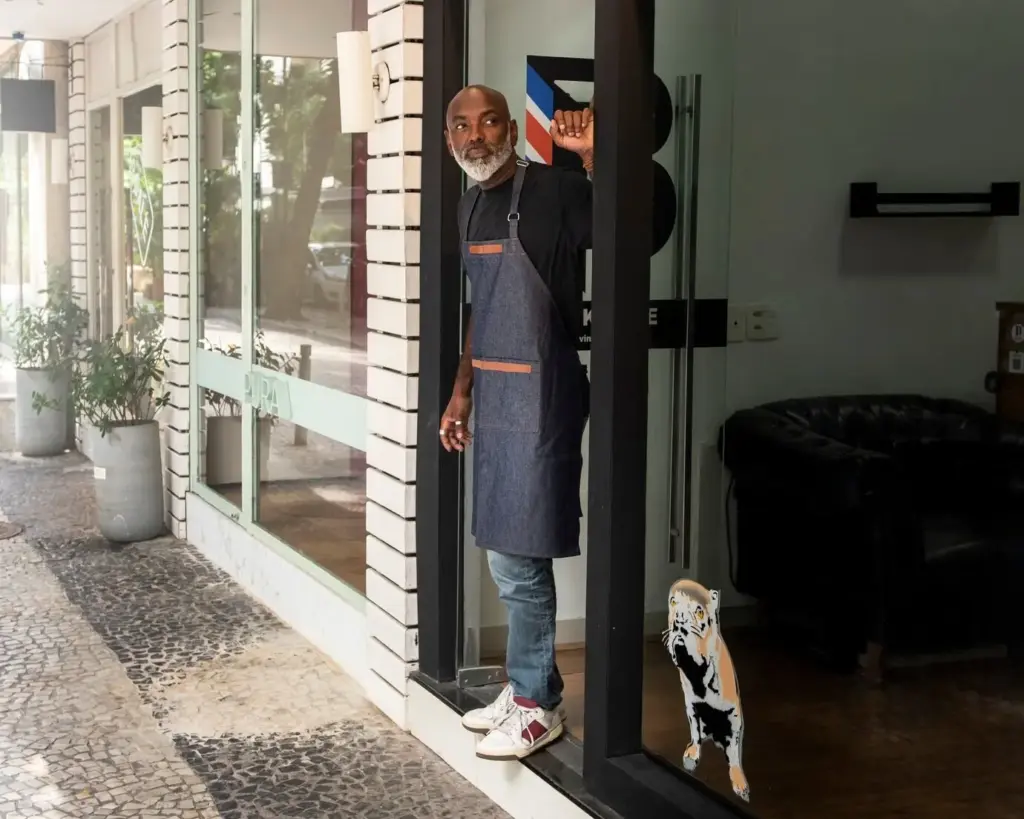
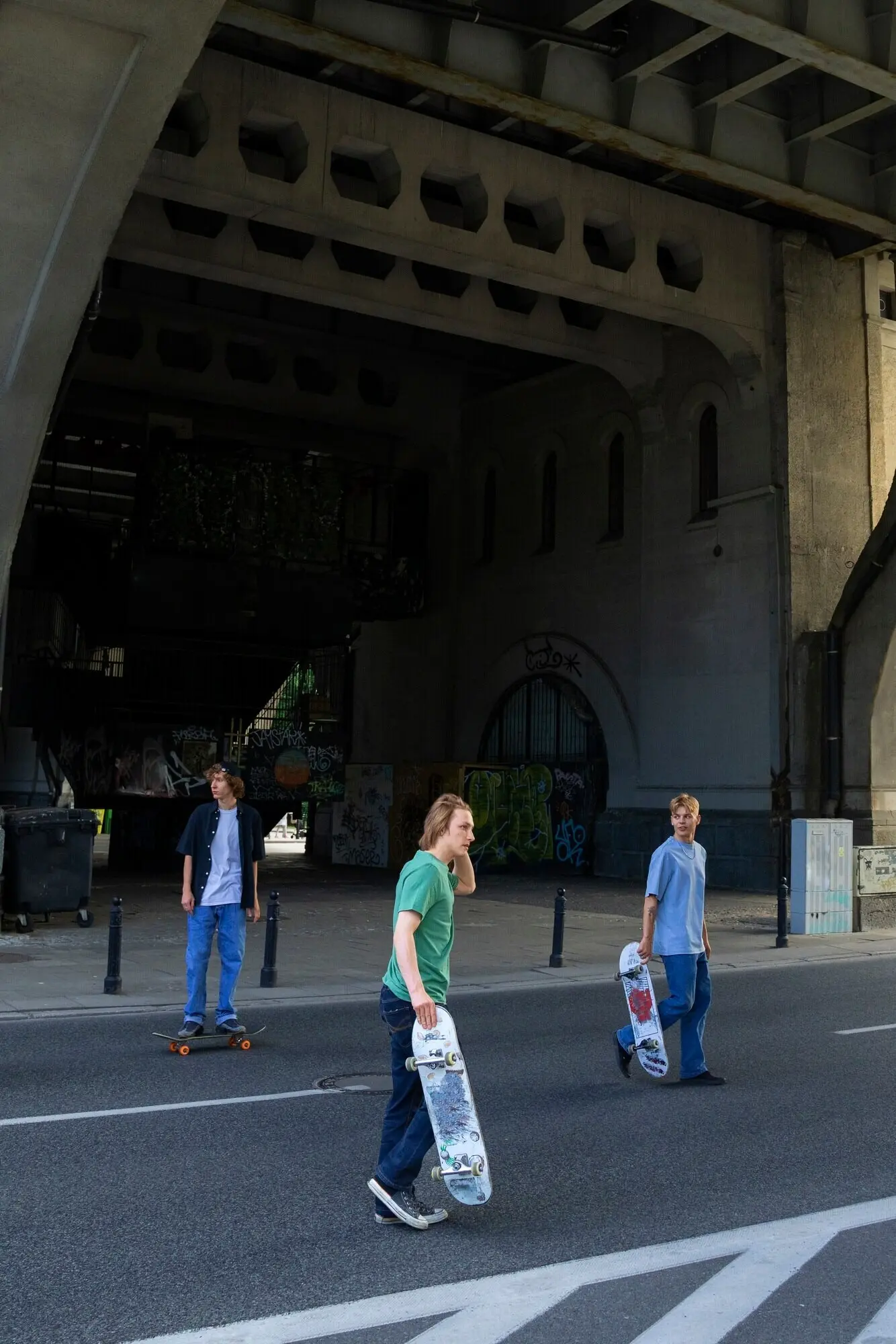
Streets That Earn: Retail, Cafes, and Transparent Facades in Action

Today we explore The Economics of Active Street Fronts: Retail, Cafes, and Transparent Facades, tracing how lively edges turn ordinary sidewalks into reliable revenue streams. From footfall and dwell time to tenant mix, energy performance, and policy, discover practical moves that welcome people, grow sales, and strengthen neighborhoods. Expect data, stories, and quick actions you can apply immediately, plus invitations to share your own experiments and lessons with fellow readers.

Footfall, Dwell Time, and the Revenue Loop

Understand how pedestrian volume, the minutes people linger, and conversion feed each other in a reinforcing cycle. Transparent storefronts, comfortable edges, and visible activity increase curiosity, slow walking speeds, and boost entry rates, which raise sales and justify more investment. We break down metrics, collection methods, and realistic targets so teams align around improvements that compound rather than compete.
Move beyond raw clicker tallies by pairing hourly pedestrian counts with storefront entry ratios, ticket size, and time-stamped point‑of‑sale data. Add low-cost sensors or manual intercepts to understand direction of flow, window viewing time, and repeat visitation. Link results to weather, events, and staffing to reveal patterns you can act on next week.
Design edges that invite a pause: ledges for cups, comfortable lighting, readable menus, and micro-seating tucked under awnings. The extra two minutes spent considering a pastry or shirt often converts browsing into buying. Track dwell time near entries and iterate displays to convert patient attention into dependable margin.

Transparency Sweet Spots

More glass is not always better. Calibrate glazing ratios to achieve sightlines from sidewalk to product while managing glare, heat gain, and acoustic spill. Combine low‑e coatings, interior shading, and strategic merchandise placement near the window to maximize perceived openness without sacrificing comfort, operational efficiency, or compliance with energy codes.

Thresholds That Invite

People hesitate at awkward entries. Position doors within natural desire lines, keep thresholds flush, and ensure visibility into welcoming activity beyond the glass. Add tactile cues, accessibility clarity, and weather buffers. The smoother the transition from sidewalk to service, the higher the conversion, especially during peak, hurried periods.

Micro-Amenities with Macro Effects

Small comforts compound: a narrow shelf for laptops, hooks for bags, sockets near windows, and wind‑calming screens. These inexpensive touches extend stays, enable social sharing, and create memorable street presence. Track resulting upsell rates and referral traffic to demonstrate payback far beyond their modest installation cost.

Mixing Uses for All-Day Energy

An all‑day cadence stabilizes revenue and enlivens sidewalks. Curate tenants so morning coffee overlaps with lunch retail, afternoon errands, and evening dining. Blend quick‑service with slower, experiential destinations. Balance chain reliability with independent character. Program micro‑events and pop‑ups that fill quiet hours, spreading fixed costs while building predictable, neighborhood‑wide loyalty.

Daypart Choreography

Map hour‑by‑hour patterns for the block, then schedule deliveries, cleaning, and music to reinforce the desired rhythm. Encourage morning brightness and aromas, midday sampling, and evening warmth. Coordinate staff outside the door during transitions to maintain visible momentum that invites passersby to step in and become regulars.

Anchor and Indie Harmony

Pair a recognizable operator that draws steady footfall with distinctive neighbors that convert curiosity into discovery. Negotiate staggered lease terms, graduated rents, or shared marketing to support local entrepreneurs. The resulting diversity cushions shocks, spreads risk, and yields a richer experience that justifies premium rents and resilient valuation.

Active Edges Beyond Ground Floor

Upper levels can contribute vitality and income. Co‑working lounges, small studios, or classrooms with windows overlooking the street broadcast activity and draw interest to the ground plane. Integrate signage, lighting, and transparent staircases so vertical movement itself becomes part of the visible, enticing performance.

Case Narratives from Three Streets

Stories reveal what spreadsheets miss. We follow a Scandinavian cycling corridor, a Melbourne laneway cluster, and a Midwestern main street to see how transparent frontages, outdoor seating, and tenant mix changed vacancy, rent growth, and perception. Numbers matter, but the lived texture explains why gains endure through seasons.

Policy, Permits, and the Business Case

Measuring Success and Iterating

Progress depends on clear goals and honest feedback. Build a simple measurement culture that blends sensors, sales data, and street observations. Share results with merchants and residents, then test improvements in small, reversible steps. Over months, you will refine operations, strengthen trust, and grow value together, visibly and durably.

Simple Dashboards That Matter

Track the few indicators that predict health: footfall by hour, entry rate, average ticket, dwell time, and vacancy. Visualize changes after interventions, and note confounders like weather or festivals. Short weekly reviews prompt timely adjustments, celebrate progress, and keep the whole corridor aligned on what success looks like.

Test, Learn, and Test Again

Adopt a humble cadence of experiments: move a display, extend hours, add soft music, or trial an evening dessert cart. Capture before‑and‑after metrics and anecdotes. The playful, public process invites curiosity, deepens loyalty, and steadily improves both the street’s economics and its welcoming spirit.

Invite Voices from the Sidewalk

Ask the people you serve. QR codes on windows, Instagram polls, and brief intercepts gather impressions about comfort, price perception, and display clarity. Respond publicly, credit contributors, and show what changed. Participation builds belonging, which in turn supports patience for iterative work and resilient, shared prosperity.

Walk the Block, Share the Map

Do a photo‑rich walkthrough at different hours, marking dead zones, glare hot spots, and missed cues near entries. Upload a shared map, invite annotations, and vote on quick fixes. This collective snapshot becomes the baseline for tracking progress and prioritizing investments everyone understands and supports.

Tiny Investments, Visible Returns

Replace cloudy glass film, clean frames, swap bulbs for warmer light, and add movable chairs with a slim shelf along the window. Track entry rates and photos before and after. Post results for neighbors, building momentum that encourages coordinated improvements across the entire block.

Keep the Conversation Alive

Sign up for updates, share your storefront experiments, and ask questions in the comments. We will highlight reader case studies, templates, and measurement tips. Your participation strengthens a learning network where small changes scale, helping more streets stay welcoming, profitable, and beautifully transparent throughout the year.
Xufefupevaxoxevifepe
Privacy Overview

This website uses cookies so that we can provide you with the best user experience possible. Cookie information is stored in your browser and performs functions such as recognising you when you return to our website and helping our team to understand which sections of the website you find most interesting and useful.