Streets That Earn: Retail, Cafes, and Transparent Facades in Action

Footfall, Dwell Time, and the Revenue Loop

Transparency Sweet Spots
More glass is not always better. Calibrate glazing ratios to achieve sightlines from sidewalk to product while managing glare, heat gain, and acoustic spill. Combine low‑e coatings, interior shading, and strategic merchandise placement near the window to maximize perceived openness without sacrificing comfort, operational efficiency, or compliance with energy codes.
Thresholds That Invite
People hesitate at awkward entries. Position doors within natural desire lines, keep thresholds flush, and ensure visibility into welcoming activity beyond the glass. Add tactile cues, accessibility clarity, and weather buffers. The smoother the transition from sidewalk to service, the higher the conversion, especially during peak, hurried periods.
Micro-Amenities with Macro Effects
Small comforts compound: a narrow shelf for laptops, hooks for bags, sockets near windows, and wind‑calming screens. These inexpensive touches extend stays, enable social sharing, and create memorable street presence. Track resulting upsell rates and referral traffic to demonstrate payback far beyond their modest installation cost.
Mixing Uses for All-Day Energy

Daypart Choreography
Anchor and Indie Harmony
Active Edges Beyond Ground Floor
Case Narratives from Three Streets
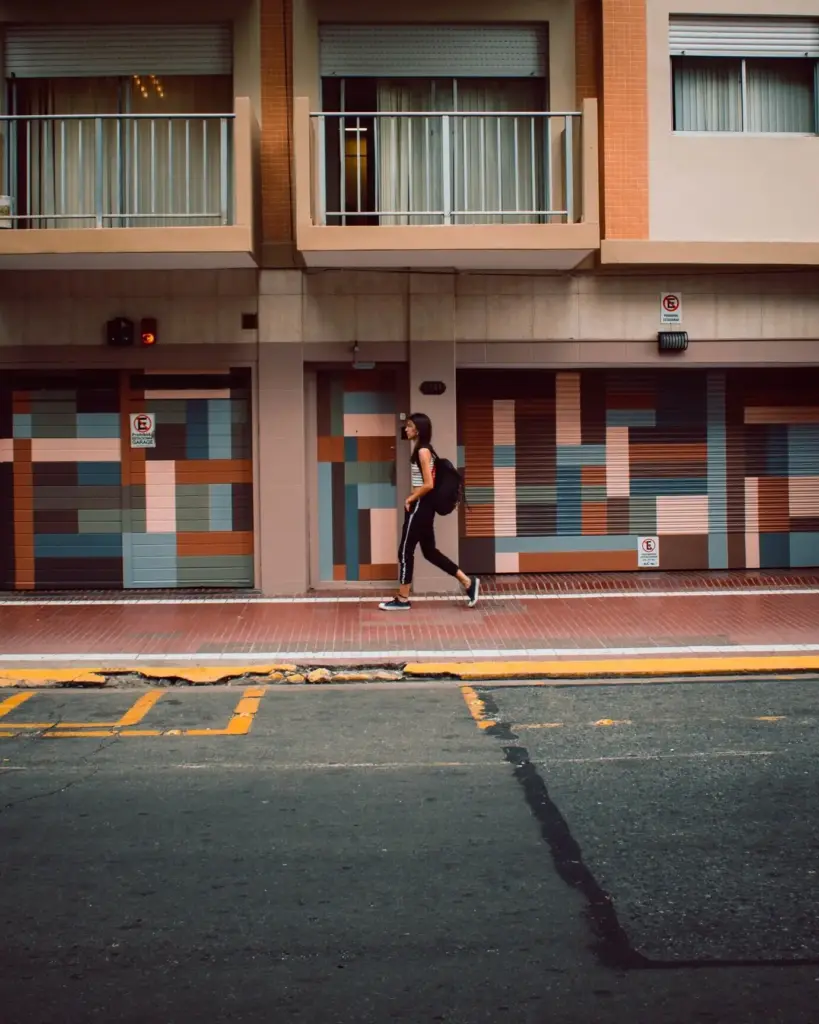
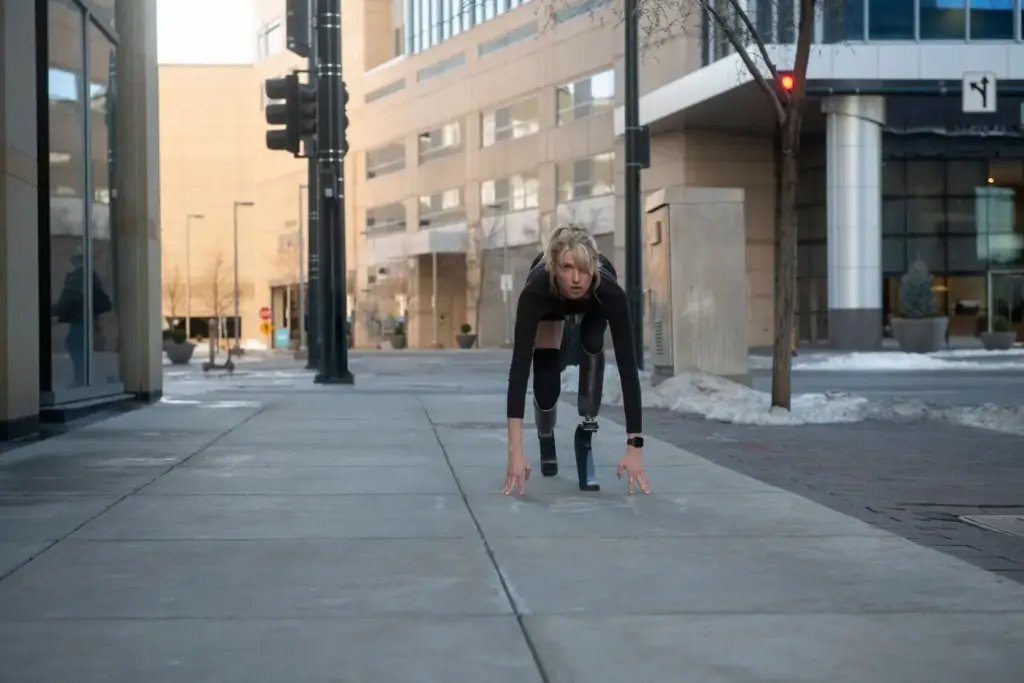
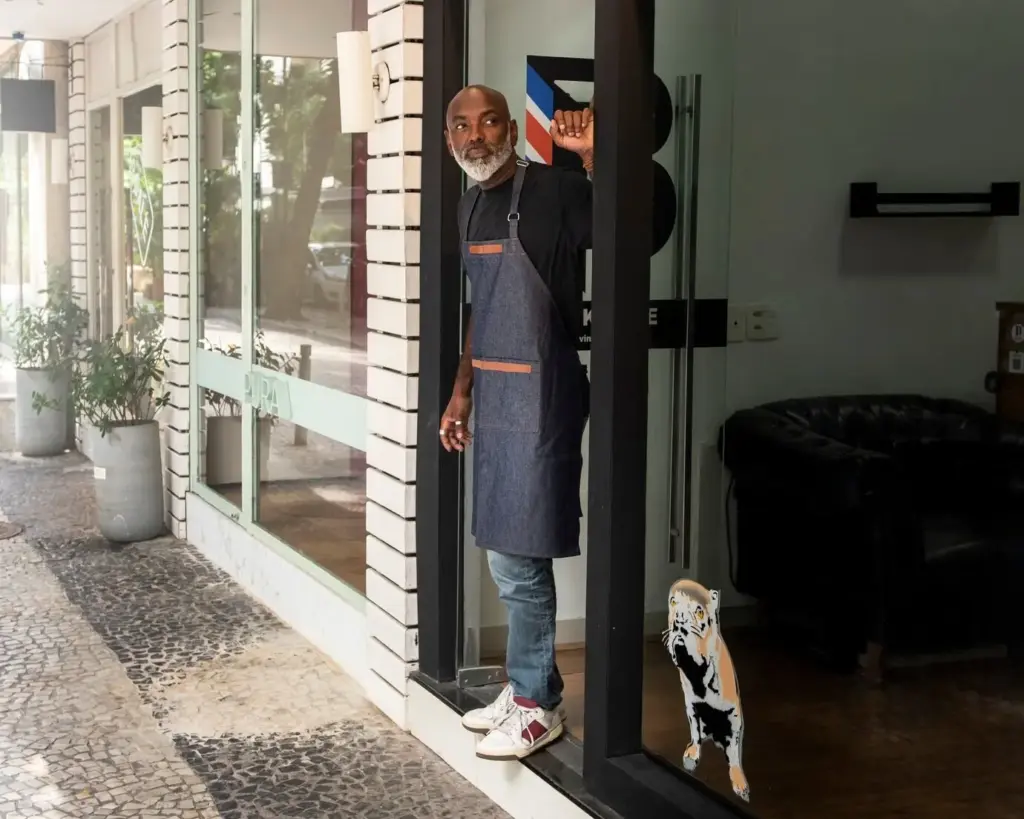
Measuring Success and Iterating
Simple Dashboards That Matter
Track the few indicators that predict health: footfall by hour, entry rate, average ticket, dwell time, and vacancy. Visualize changes after interventions, and note confounders like weather or festivals. Short weekly reviews prompt timely adjustments, celebrate progress, and keep the whole corridor aligned on what success looks like.
Test, Learn, and Test Again
Adopt a humble cadence of experiments: move a display, extend hours, add soft music, or trial an evening dessert cart. Capture before‑and‑after metrics and anecdotes. The playful, public process invites curiosity, deepens loyalty, and steadily improves both the street’s economics and its welcoming spirit.
Invite Voices from the Sidewalk
Ask the people you serve. QR codes on windows, Instagram polls, and brief intercepts gather impressions about comfort, price perception, and display clarity. Respond publicly, credit contributors, and show what changed. Participation builds belonging, which in turn supports patience for iterative work and resilient, shared prosperity.

Walk the Block, Share the Map
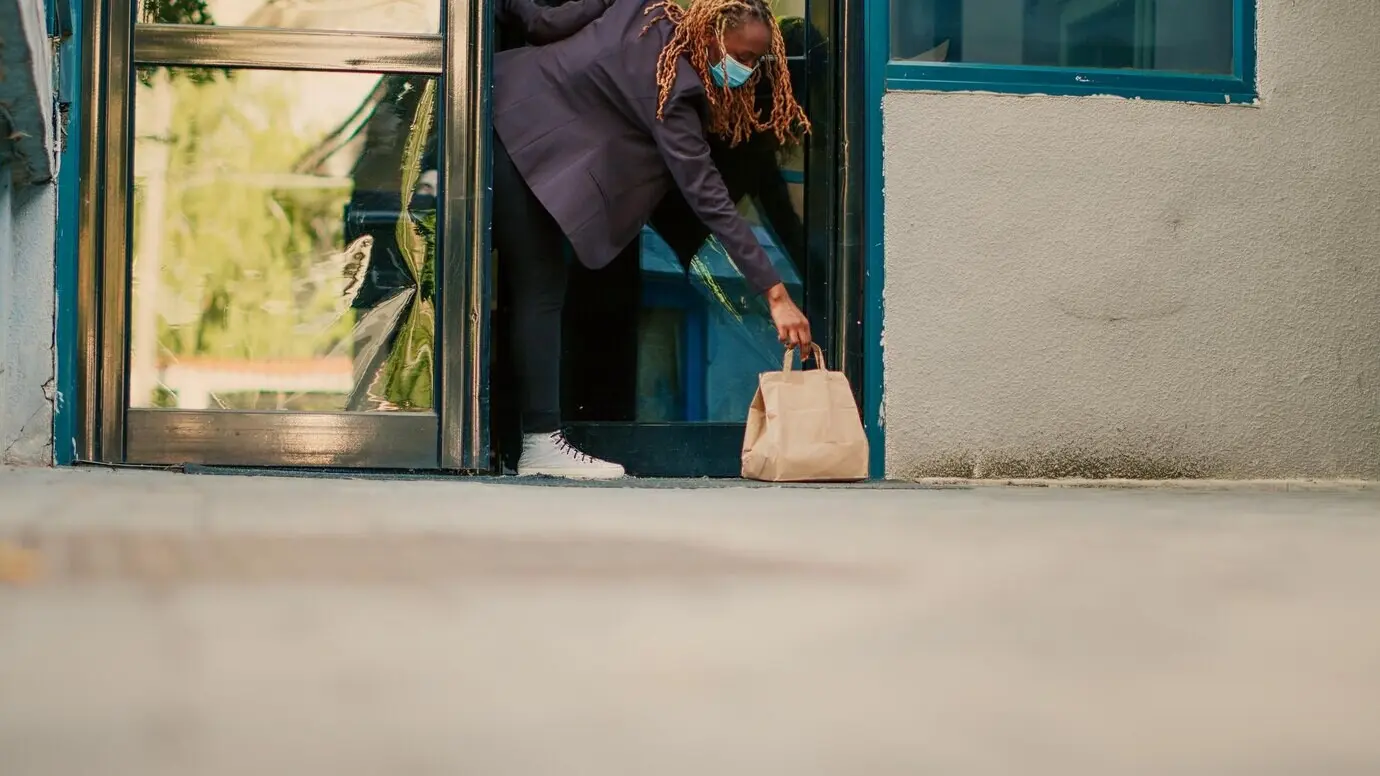
Tiny Investments, Visible Returns
Keep the Conversation Alive

All Rights Reserved.